Three of the top diabetes tech companies put forward new clinical data this week, making the case for their continuous glucose monitors and insulin pumps as they look to expand their reach among people with Type 2 diabetes.
That includes people taking multiple doses per day or just basal insulin, as well as those who do not require insulin therapy—groups that represent a much larger market than Type 1 diabetes alone, where automated systems, wearables and reimbursement have become common.
In Barcelona, at the International Conference on Advanced Technologies and Treatments for Diabetes, Insulet, Abbott and Dexcom showed that their respective approaches could increase the time users spend in a healthy blood sugar range, lower A1c levels and support weight management.
Related
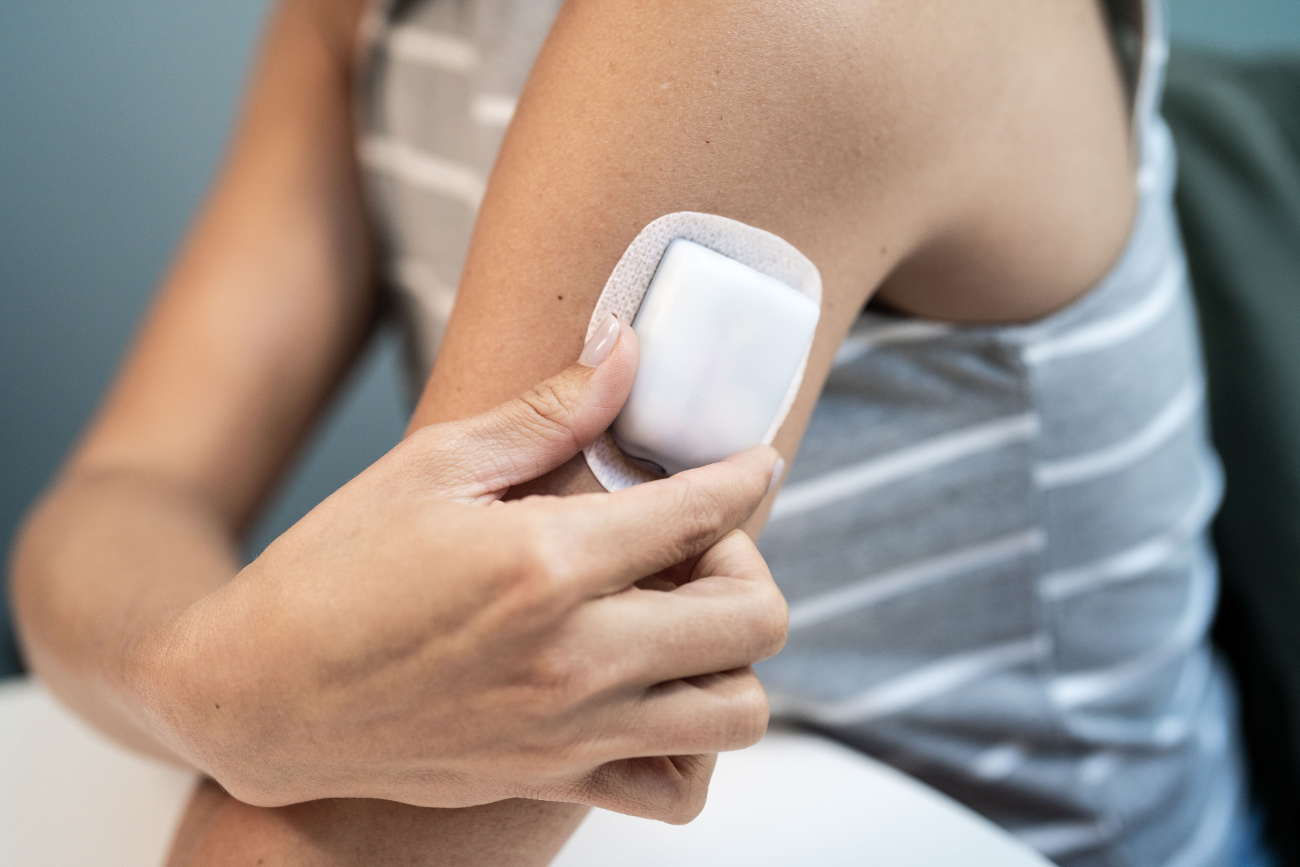
Insulet touted a feasibility study of its Omnipod tubeless, wearable insulin pump, being developed as an automated insulin delivery system, or AID, for people with Type 2 diabetes. It included 24 participants in New Zealand between the aged 16 to 70 who had been taking basal insulin or basal and bolus doses for years, using either pumps or injections.
With its fully closed-loop approach that reacts to changes in glucose readings, the company said Omnipod helped increase the user’s time-in-range by 24%, to an average daily proportion of 68%, compared to standard injections.
“Developing and bringing to market a fully closed-loop AID system for people with type 2 diabetes—one that delivers therapy effortlessly and adapts automatically with no mealtime interactions or adjustments—is more than evolutionary; it’s revolutionary,” Insulet’s chief medical officer, Trang Ly, Ph.D., said in a statement. “Our latest EVOLUTION study brings us another important step closer to addressing significant unmet needs while redefining both the provider and user experience.”
This marks the second feasibility study in the company’s EVOLUTION program. Insulet said it plans to launch a pivotal clinical trial later this year, dubbed EVOLVE, with the goal of supporting an FDA application in 2027 and a commercial launch the year after.
Related
Elsewhere at ATTD, Abbott announced results from a randomized, controlled trial of its FreeStyle Libre platform, saying it could reduce HbA1c in Type 2 diabetes compared to the use of traditional fingersticks.
The company reported that its U.K. trial of more than 300 people showed a 0.6 percentage point drop in HbA1c after four months—as well as an additional two-and-a-half hours per day logged in a healthy glucose range, for a 10.4% gain.
Abbott characterized the improvements as “participant-led,” as the real-time CGM readings were used to guide daily decision-making. Patients in the trial, called FreeDM2, were taking basal insulin along with either an SGLT2 inhibitor or a GLP-1 medication.
In addition, Abbott presented a study in Italy that tracked 88 adults using basal insulin and the FreeStyle Libre in everyday clinical practice, demonstrating better average glucose levels, more time in a healthy range and improved quality of life after three months.
“Across both studies, real‑time glucose visibility gives people the understanding they need to make small, informed adjustments throughout the day,” said Mahmood Kazemi, M.D., chief medical officer of Abbott’s diabetes business. “In the FreeDM2 study, people made these adjustments on their own. Seeing similar patterns in the Italian study reinforces that the value comes from continuous access to glucose information itself, rather than from any single device feature.”
Separately, Abbott delivered data showing diabetic ketoacidosis rates on the rise in both Type 1 and Type 2 diabetes, with high recurrence risks for the potentially fatal condition. Within three studies from the U.K., France and the U.S. going back 23 years, researchers found rates up even among highly engaged users of diabetes technologies such as CGMs. Abbott has been long-developing a wearable sensor that would track not just glucose but also ketone levels as an early warning system.
Related
Finally, Dexcom highlighted data showing that long-term use of its G7 CGM could deliver benefits to people with Type 2 diabetes taking no insulin at all.
A registry analysis of 318 primary care patients in the U.S. demonstrated a 0.7% decline in HbA1c over one year. The real-world data also showed greater reductions among those with a higher baseline HbA1c, according to the researchers.
Dexcom also presented an abstract showing that starting real-time CGM use was tied to a decline in diabetic ketoacidosis hospitalizations and emergency room visits among people with Type 1 diabetes. Retrospective data spanned 921 pediatric patients and nearly 3,000 adults over a four-year period.
Related
“There is no better global stage than ATTD to showcase how we’re shaping the future of glucose biosensing around the world. This year’s conference is especially meaningful for me as it marks my first major diabetes industry event as CEO,” said Jake Leach, who took the helm at Dexcom early this year.
“The data presented at ATTD reinforces the need for Dexcom CGM to become the standard of care for all people with Type 2 diabetes, including those not using insulin,” added Leach. “That growing body of evidence, combined with our continued innovation across the Dexcom portfolio, reflects our broader ambition to transform diabetes care and advance metabolic health worldwide.”