Ultragenyx Pharmaceutical’s employees were already braced for changes as the biopharma considered how to rebound from a pair of failed late-stage brittle bone disease trials. Now, they know that 10% of the workforce is heading for the exits.
The company warned at the end of December that it needed to “implement significant expense reductions” in the wake of readouts for a phase 2/3 study and separate phase 3 trial that both assessed the sclerostin-inhibiting antibody setrusumab in osteogenesis imperfecta, a group of genetic disorders impacting bone metabolism. Neither trial hit its primary endpoint as measured by annualized fracture rate.
To make matters worse, the company’s attempts to get its gene therapy UX111 approved for a rare neurodegenerative disease called Sanfilippo syndrome type A continues to be slow going. Ultragenyx’s initial attempt to get the green light was kicked back by the FDA in July 2025 over manufacturing issues.
The biopharma resubmitted the application last month but disclosed in its full-year 2025 earnings release that the FDA had yesterday requested “additional supportive documentation” related to its manufacturing queries before the application can be reconsidered.
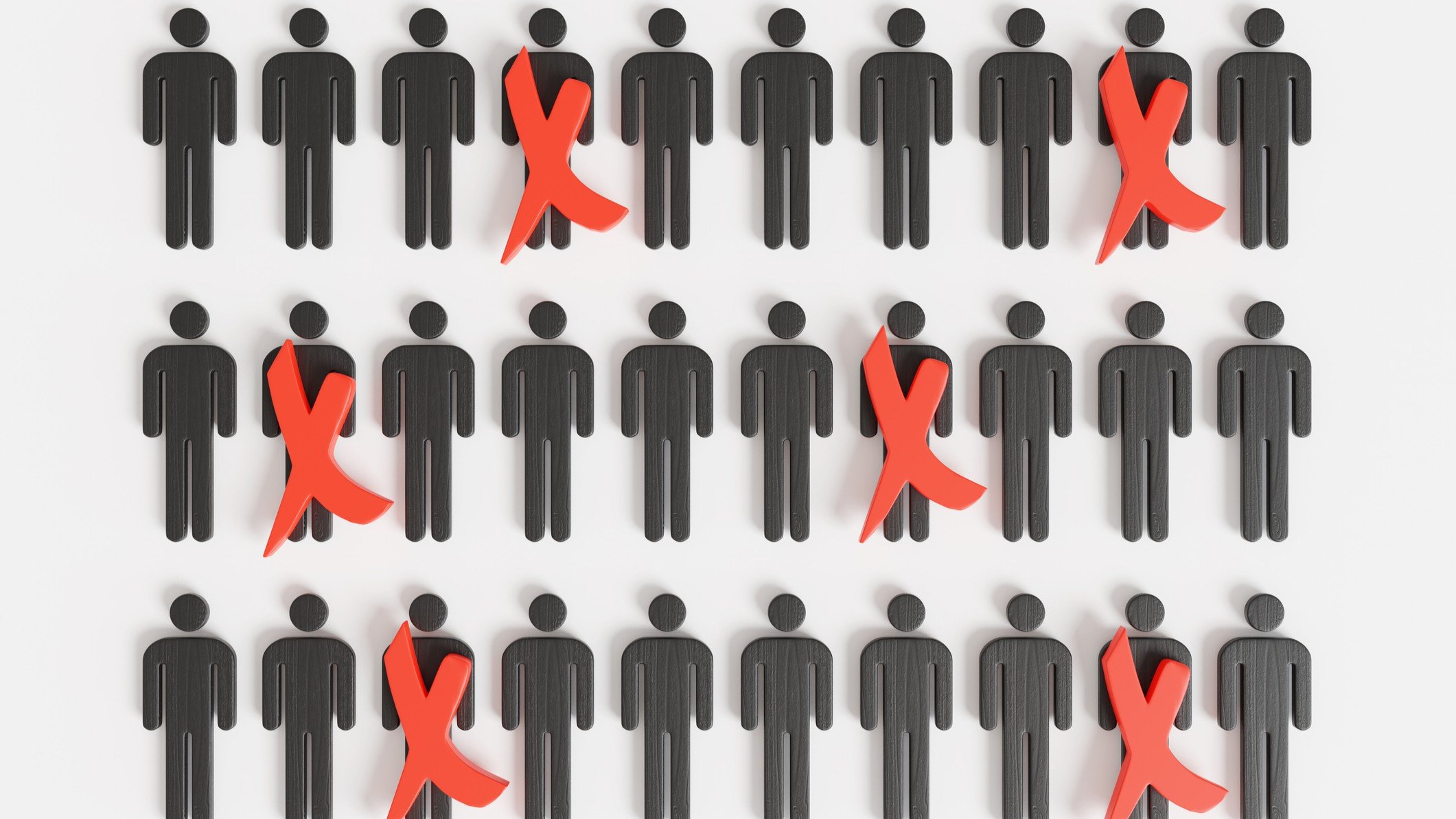
Ultragenyx also used the release to confirm that about 130 employees—equivalent to 10% of the company’s workforce—will be laid off as part of a “strategic restructuring plan designed to reduce headcount and expenses and focus resources on its largest value drivers.”
“We are implementing a strategic restructuring plan to reduce our operating expenses and ensure our resources are squarely aligned with our high-impact opportunities,” Ultragenyx CEO Emil Kakkis, M.D., Ph.D., said in a statement.
Related
The changes are designed to “keep the company on its path to profitability in 2027,” according to yesterday’s release. Even with severance fees for affected employees and other restructuring costs, the plan is that combined R&D and SG&A fees will be either flat or down low-single-digits this year, before R&D expenses drop 38% in 2027 compared to a 2025 baseline.
This drop will be funded by the completion of phase 3 studies as well as a “reduction of early-stage research efforts,” the company explained.
Yesterday’s update didn’t mention any plans for setrusamab in the wake of the phase 3 fails. Instead, Kakkis heralded 2026 as an “important turning point for the company.”
As well as the hoped-for approval of UX111, Ultragenyx is expecting an FDA decision on whether to approve DTX401, its AAV8 gene therapy for glycogen storage disease, in the third quarter of the year. The second half of this year is also expected to see a readout from the phase 3 trial of the company’s antisense oligonucleotide for Angelman syndrome. The company currently markets Crysvita for X-linked hypophosphatemia and Dojolvi for long-chain fatty acid oxidation disorders.
William Blair analysts backed the biopharma’s restructuring strategy as “necessary to maintain the path to GAAP profitability in 2027 following the failed trials of setrusamab.”
While the analysts described the FDA’s response to the ongoing attempts to get UX111 approved as “frustrating,” they predicted it will “ultimately be promptly resolved.”
“In addition, we believe there is still an upside that can be garnered in the next 12 months, specifically with the pivotal Angleman syndrome readout in the third quarter of 2026 and the potential of two gene therapies that are also elligible for priority review vouchers,” the analysts added in a Feb. 13 note.